


Esports Has Gone Mainstream: How to Raise a Champion Without Sacrificing Health, Eyes, or Friendships
Have you ever glanced at your child mid-game, only to wonder if their glowing screen obsession is more than a harmless pastime? You’re not alone. From Auckland apartments to rural Kiwi homes, esports has swept through our living rooms, transforming gaming into a social powerhouse and legitimate career path. But with pro-level dedication come real risks - and real opportunities for savvy parents.
Step Into the Arena: Why Every Parent Needs to Rethink Gaming
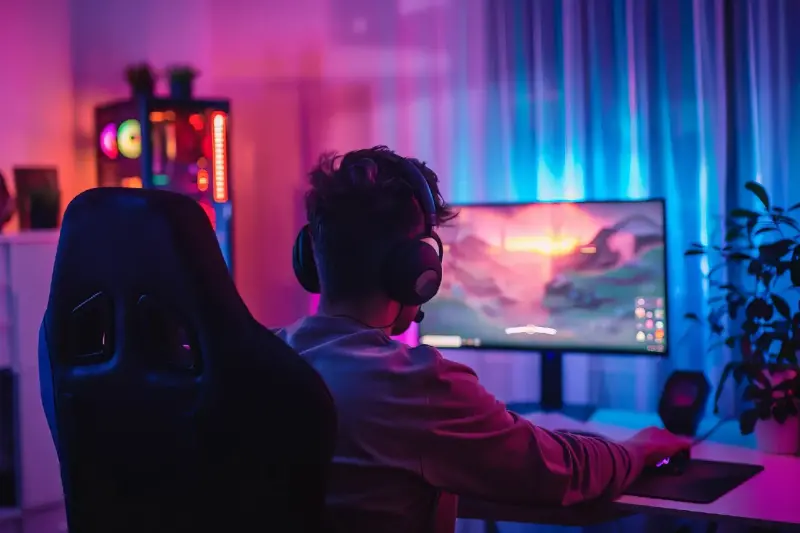
Picture this: a dimly lit room, the soft hum of high-performance fans, the click-clack of keys, and a young player’s face aglow with purpose. Modern gaming is no longer a fringe pursuit - it’s a vibrant social stage, a possible future, and a way to connect across borders and generations. If voi ever struggled with how to support your gamer, worried about their wellbeing, or simply wondered how to keep their passion healthy, this guide is your gateway.
Here, voi will discover simple, science-backed ways to spot trouble, nurture healthy routines, and turn your child’s esports journey into something beautiful - for them, for you, and for your whole whānau.
From Hobby to High-Stakes: Why Esports Deserves Your Attention
Let’s set aside the clichés. Gaming isn’t just mindless screen time anymore. Clubs, scholarships, live tournaments... esports is a billion-dollar industry, with young New Zealanders capturing sponsors and spotlight moments.
But just as with rugby or netball, the highs come with hazards. Sedentary marathons, strained friendships, even vision and posture problems can sneak up unnoticed. For parents, the challenge isn’t just prevention - it’s partnership.
The New Parent Toolkit: Supporting Healthy Play Without Being "That" Parent
Spotting signs of healthy gaming starts with voi. Ask yourself: does your child seem energised after gaming sessions, or drained and irritable? Are they balancing school, chores, and downtime, or spiraling into all-night binges?
Warning signs to watch for:
- Sudden shifts in mood or sleep
- Dropping grades or new social withdrawal
- Complaints of eye pain, headaches, or sore joints
- Gaming becoming a secretive activity
- Loss of interest in non-gaming hobbies
Remember: while a marathon session before a big tournament can be normal, chronic patterns can signal trouble. Compassion and conversation always go further than strict bans.
Ergonomics 101: Build a Setup That Loves Their Body Back
The foundation of healthy gaming starts with the right gear and setup. Picture your child sinking into a sagging sofa, shoulders hunched forward, screen barely visible through bleary eyes. Now, imagine their den transformed: ergonomic chair, illuminated keyboard, a cool breeze from an open window, and their shoulders squared in focus.
Here’s how to upgrade their space:
- Chair: A height-adjustable, supportive chair with lumbar support is crucial.
- Monitor: Place screens at eye-level, about an arm’s length away - this protects neck alignment and reduces eye fatigue.
- Lighting: Opt for soft, indirect lighting to limit glare and contrast.
- Accessories: Consider a wrist rest or a split keyboard to reduce strain.
- Break reminders: Set a gentle alarm or use apps that cue movement every 45-60 minutes.
Key insight: investing in their setup is as essential as buying quality boots for sport - it shows you take their passion seriously and care about their well-being.
Eyes on the Prize: Protecting Vision for the Long Haul
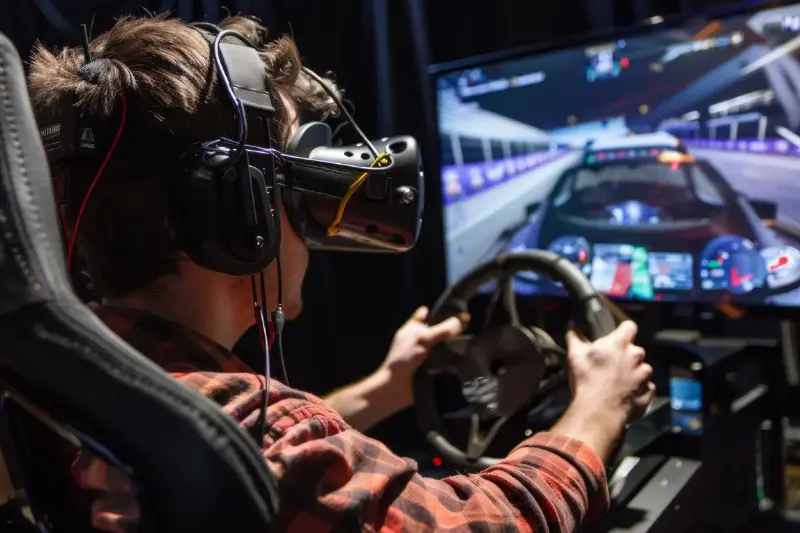
Screen time isn’t going away, but eye fatigue doesn’t have to be a given. Think of your child’s gaze during an intense match: eyes flicking, focused, sometimes blinking less than half as often as normal. Over time, this can lead to dryness, blurred vision, and headaches.
Quick wins for healthy eyes:
- Follow the 20-20-20 rule: every 20 minutes, look at something 20 feet away for at least 20 seconds.
- Use artificial tears if dryness is an issue; keep air fresh and humid.
- Adjust display settings for warm colour temperature and comfortable brightness.
- Schedule regular optometrist check-ups, especially if complaints arise.
Takeaway: safeguarding vision is like fine-tuning a car: small adjustments now prevent bigger problems later.
Navigating the Social Side: Gaming’s Double-Edged Sword
One of esports’ biggest strengths - vibrant, global friendships - can flip into challenges: toxic chat rooms, cyberbullying, or feeling left out. Your role? Stay curious, open, and involved.
Rather than grilling them with suspicion, invite them to show you their favourite games, discuss their teammates, and share their wins and losses. Know the difference between healthy competition and truly toxic environments.
Red flags on the social front:
- Unexplained distress after online matches
- Hesitation to talk about certain players or servers
- Signs of exclusion or online bullying
Support strategies:
- Praise teamwork, empathy, and positive communication.
- Encourage local gaming circles or clubs (many schools have teams now).
- Discuss online safety openly; reinforce boundaries and screen privacy settings together.
The Power of Rituals: Balancing Game Seasons With Real Life
As tournaments and seasons heat up, boundaries can blur. Practices and matches stretch into late nights, energy drinks appear on desks, and basic self-care sometimes takes a back seat.
Infuse their routine with rituals for resilience:
- Pre- and post-game walks: Fresh air, even five minutes, resets their brains and reconnects them with the world beyond pixels.
- “Screen-off” sacred spaces: Make mealtimes and bedrooms game-free zones - tech breaks boost conversation and sleep.
- Seasonal check-ins: At the start and end of each esports season, talk together about what went well and what could be better - invite their ideas to spark ownership.
Strong friendships - and strong bodies - are built on everyday habits that outlast any leaderboard.
Your Most Powerful Move: Connection Before Correction
Voi know your child best. By supporting their dreams while guiding healthy limits, you’re investing in more than their next win - you’re nurturing resilience, teamwork, and self-awareness that will power them through every challenge, both online and off.
Final thoughts
Esports isn’t a passing trend - it’s a powerful new chapter in how our tamariki play, compete, and connect. But just like any beautiful, boundary-pushing pursuit, it flourishes best with informed, proactive parenting.
As you watch your young gamer on their quest, ask yourself: how can voi be their greatest ally, not just their supervisor? What conversations could open new doors? The next time you see the flicker of the game screen, remember: you’re not on the outside looking in - you’re right there with them, growing stronger, one game at a time.
How will you shape your child’s season? The journey is just beginning.