


The Secret Life of Fermented Foods: Why Kimchi, Kefir, and Sourdough Are Suddenly Everywhere - And How to Eat Them for Real Gut Gains
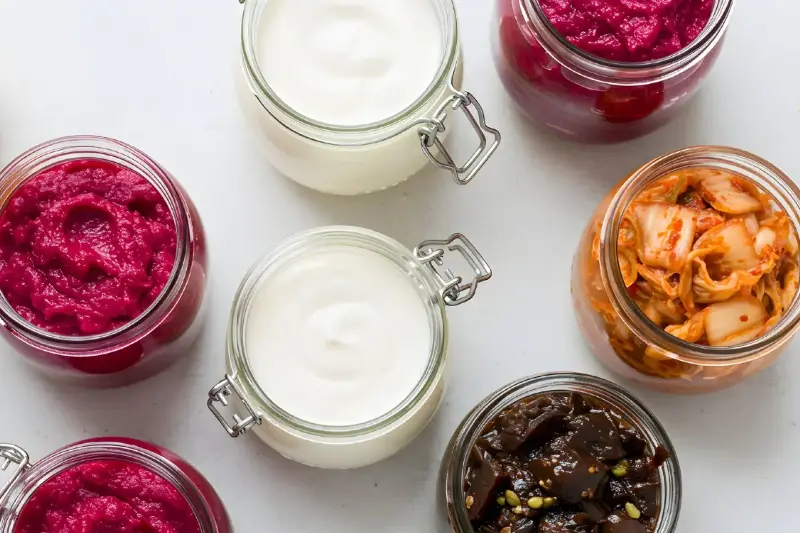
Have you noticed a tangy revolution bubbling up in your local market, coffee shop, or even on family dinner tables? From kimchi-spiked grain bowls to frothy kefir smoothies and slices of artisanal sourdough, fermented foods are no longer fringe fare - they’re now the darlings of the wellness world. But do they really deliver on their promises for gut health, or is all that fizz just hype?
Step into today’s kitchens and you’ll find not just the comforting aroma of fresh bread but the fizz and crackle of living, breathing foods. Fermentation is an ancient art newly rediscovered, offering more than just flavor - it may be the missing link to a healthier you. But if you’ve ever hesitated at the mysterious jar in the fridge or wondered whether store-bought kraut could ever match grandma’s brine, you’re not alone. Navigating the landscape of probiotic-rich foods can be intimidating. Get ready to savor the full story behind why certain fermented favorites really feed your best self and how to start reaping the benefits - safely and deliciously.
Fermentation’s Comeback: More Than a Trend, It’s a Gut-Health Movement
Why are so many health experts, chefs, and home cooks turning back to fermentation? The answer lies in our guts - literally. The human digestive tract is a bustling metropolis of trillions of bacteria, many of which play a starring role in immunity, mood, metabolism, and even skin health.
Enter probiotics - the “good bugs” found in fermented foods like kefir, kimchi, and sourdough. These live microbes have been linked to improved digestion, enhanced immune defense, and reduced inflammation. But not all fermented foods are created equal.
You might be surprised to learn that those vinegary supermarket pickles or brightly colored sauerkraut jars may not actually contain live cultures at all. “Fermented” doesn’t always mean “probiotic.” Let’s dive into which classic ferments truly make your microbiome happy - and how to spot the fakes.
Picking the Winners: Not All Ferments Are Probiotic Powerhouses
So, before you pile your plate high with tangy treats, consider this:
True probiotic benefits come from live, unpasteurized products. Here’s how fans’ favorites stack up, according to gut health experts:
- Kimchi: Authentic Korean kimchi, made from napa cabbage, radish, and a parade of spices, is naturally fermented by lactic acid bacteria. The good stuff? Look for brands labeled “raw” or “unpasteurized,” and check the fridge section.
- Kefir: Unlike standard yogurt, kefir is a drinkable, tart dairy (or non-dairy) beverage fermented with a mix of bacterial and yeast cultures. Your best bet: choose plain, unsweetened kefir in the refrigerated dairy aisle for maximum probiotic punch.
- Sourdough Bread: Not all loaves are equal. True sourdough is slow-fermented by wild yeast and lactic acid bacteria, which can help break down gluten and phytic acid, making nutrients more available. Look for bakery-fresh or farmer’s market sourdough, where bakers boast naturally leavened processes.
Beware of shortcuts: Commercial products are often pasteurized, killing off beneficial microbes. Always check labels and opt for fresh, chilled items over long-shelf-life versions.
How Fiber Becomes Your Probiotics’ Best Friend
Fermented foods provide a population of helpful microbes. But what happens after you eat them? To truly flourish, probiotics need a steady supply of “prebiotics” - plant fibers that feed the good bacteria so they can protect your gut for the long haul. Consider these clever ways to pair your probiotic picks for a gut-friendly feast:
- Add diced kimchi to a brown rice bowl or toss it into a kale salad
- Blend plain kefir with high-fiber berries
- Try a slice of sturdy sourdough with avocado and radish for breakfast
In essence, think of your gut as a lush garden: Probiotics are the seeds, but dietary fiber - found in veggies, whole grains, beans, and fruit - is the nourishing soil. Feed both, and your digestive ecosystem will thank you.
Starting Your Fermented Adventure: Tips for Tasting and Safety
Excited to eat your way to gut health but feeling overwhelmed? Start slow. Dramatic changes to your microbiome can cause temporary bloating or other digestive surprises. Here’s how to dip your toe in safely, and savor every step:
- Introduce one new food at a time: Try a small spoonful of kimchi with lunch, or a half-glass of kefir with breakfast
- Watch for freshness and quality: Fermented foods should smell pleasantly sour, not ‘off.’ If it’s slimy, moldy, or foul-smelling, skip it
- Store properly: Keep live-culture ferments chilled and use clean utensils to avoid contamination
- Listen to your body: A bit of gurgling is normal at first, but severe discomfort means it’s time to scale back or try another type
Above all, have fun experimenting. The flavors are vivid, the textures surprising, and the health benefits potentially profound.
Expert Tips: Going From Skeptic to Fermentation Fan
Concerned about taste, cost, or the DIY learning curve? You’re not alone. Here’s what top nutrition and fermentation experts recommend:
- Don’t stress over perfection: Even occasional helpings of fermented foods make a difference
- Mix and match: Kombucha, miso, tempeh, and other global ferments offer endless variety
- Support local artisans: Many bakeries, grocers, and small businesses now spotlight naturally fermented products
- Get social with sourdough: Fermentation is a practice meant to be shared - swap starters, recipes, and tips with friends or online communities
Why Our Senses Crave the Tang
There’s a reason the bright crunch of kimchi or the yeasty perfume of sourdough triggers pure nostalgia. Fermentation unlocks flavor in ways no ordinary food can - producing layers of sour, spice, and umami that dance on your tongue and awaken childhood memories or new curiosity.
Let your senses lead you. Watch the bubbles rise, inhale the brine, feel the dough’s bounce between your fingers - embracing fermentation is as much about joy as it is about wellness.
New Rituals, Ancient Roots: Where Will Fermentation Take You?
Perhaps your next favorite sandwich will be nestled in a crusty slab of wild sourdough. Maybe you’ll discover the zing kimchi brings to roasted veggies, or find yourself savoring the effervescent tang of homemade kefir. However you join the fermented food renaissance, remember:
You’re not just eating for your own pleasure, but for the teeming world inside you.
Let your curiosity simmer and your senses guide you, and you might just discover that the journey into fermentation isn’t just about food - it’s about reconnecting with the art of living, one delicious bite at a time. What tangy tradition will you taste tomorrow?