


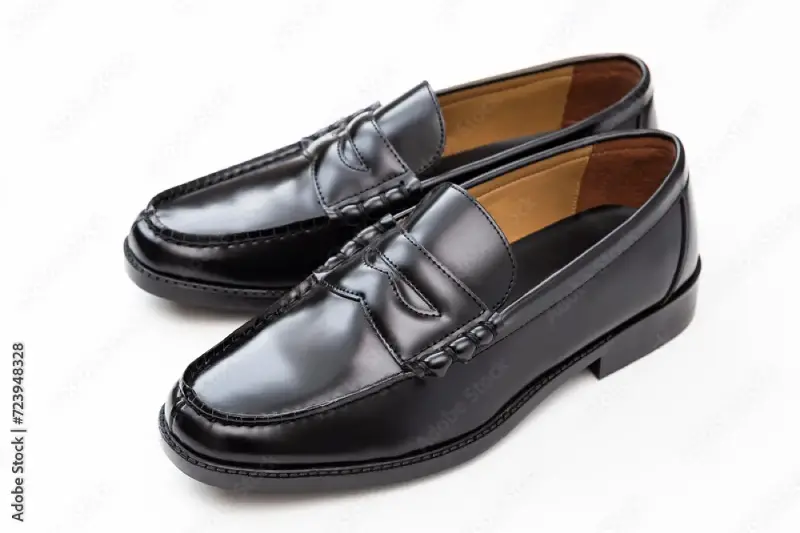
the rise of vegan leather loafers in 2025
vegan leather loafers have taken the fashion world by storm in 2025, and there are several compelling reasons why both male and female shoppers are gravitating toward these smart, eco-conscious shoes. not too long ago, vegan alternatives to classic leather loafers were a rarity, often lacking both the style and sophistication that made their genuine leather counterparts a staple for professionals and fashion enthusiasts alike. today, things have changed dramatically. this year has witnessed a surge of innovation, bringing with it vegan loafers that are almost indistinguishable from the traditional kind—except, of course, for their smaller environmental footprint and animal-friendly materials.
manufacturers are stepping up their game, producing vegan loafers that are durable, comfortable, and above all, stylish. top designers from new york to paris are showcasing vegan loafers in their collections, adding credibility and instant trend appeal. they're not just sticking to safe designs, either. expect to see bold shapes, modern colors, and creative touches like metal hardware, embossed finishes, and innovative slip-on technologies tailored to both men and women.
but what exactly is vegan leather, and why is it causing such a buzz this year? vegan leather refers to a range of materials designed to mimic the texture, look, and feel of animal leather—with no animals harmed in the process. while earlier iterations mostly relied on polyurethane (pu) and polyvinyl chloride (pvc), 2025's vegan loafers increasingly use breakthrough plant-based alternatives. innovative materials such as mycelium (a mushroom-based fabric), cactus leather, pineapple leaves (pinatex), and even recycled apple skins are reshaping how we define luxury footwear. these new materials not only sidestep animal agriculture—a major source of greenhouse gas emissions—but also tend to be biodegradable or recyclable, addressing concerns about microplastics and landfill waste.
the shift toward vegan loafers is closely intertwined with a broader movement for sustainability in fashion. younger shoppers, in particular, are increasingly aware of the environmental impact of their purchases, from production methods to end-of-life disposal. a 2024 global sustainable fashion survey revealed that 68% of gen z and millennial shoppers in the us ranked animal welfare and reduced carbon footprint as core values driving their footwear choices. retailers have taken note by ramping up their offerings of eco-labeled and ethically-certified loafers. large department stores like nordstrom and bloomingdale’s have now dedicated significant shelf space specifically to vegan footwear.
it isn’t just ethical or environmentally conscious shoppers driving the rise of vegan leather loafers. they're also resonating with those looking for a practical and comfortable option that keeps pace with a busy lifestyle. plant-based leathers are proving to be just as breathable, waterproof, and supple as genuine leather, sometimes even surpassing them in flexibility or weight. thanks to technological advancements, loafers can now be manufactured to offer arch support, antimicrobial linings, and memory foam insoles—making them a go-to choice for casual wear, office attire, and even semi-formal events.
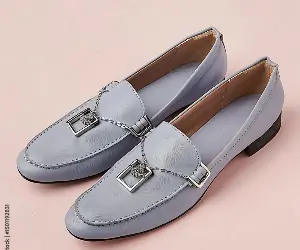
another fascinating angle is the sheer range of designs now available in vegan loafers. once limited to simple slip-ons, the 2025 market offers everything from chunky lug soles to elegant penny loafers and even platform-heeled options. for men, this means updated takes on classics like the tassel and horsebit loafer, now available in hues ranging from matte black to deep burgundy and olive green. for women, designers are incorporating chic embellishments, metallic details, and pointed toes to carry loafers seamlessly from day to night. there’s a vegan loafer for every outfit and occasion, often at a price point slightly less than luxury leather but with all the prestige of a designer label.
even the luxury market, once skeptical of vegan alternatives, is experiencing a paradigm shift. heritage brands like gucci, stella mccartney, and bally have embraced vegan leather, producing limited-edition loafers that regularly sell out upon release. stella mccartney, a pioneer in cruelty-free fashion, reports that her vegan loafers saw a 40% sales bump in the first quarter of 2025 year-over-year, and her success is encouraging more brands to invest in sustainable innovation.
one reason shoppers are embracing vegan leather is the transparency now available in the fashion industry. tools like blockchain tracking let buyers trace the origins of their loafers’ materials. social media influencers and fashion blogs have fostered a curiosity around how vegan leather is made, normalizing conversations about green chemistry and circular fashion. these transparency efforts have, in turn, boosted consumer trust and made vegan loafers a symbol not only of style but of values.
for all the buzz, challenges remain. the vegan leather industry continues to fine-tune its formulas, with some brands working to completely eliminate petroleum-based content. durability is another focus, as buyers want loafers that last for years, not just seasons. yet, leading manufacturers are investing in R&D to bridge these gaps, often collaborating with scientists to produce better, cleaner materials. the result is a rapidly closing quality gap between genuine and vegan leather.
the 2025 rise of vegan leather loafers is more than just a fleeting trend. it reflects a dramatic shift in consumer consciousness, a tech-driven revolution in materials science, and a democratization of luxury and style. shoppers today are no longer forced to compromise between ethics, aesthetics, and comfort—they’re finding it all in a single, fashionable slip-on. whether you’re eyeing a statement loafer for the office or a versatile option for day-to-day wear, there’s never been a better time to go vegan, one stylish step at a time.