


Sleeper trains vs short flights: are night journeys really the ultimate way to travel now?
What if the best way to glide across countries isn’t 35,000 feet above ground—but in a gently rocking cabin, lulled by the rhythm of steel rails? Across Europe, Asia, and now even North America, night trains are staging a stylish comeback. Travelers in the know are choosing couchettes, private cabins, or luxurious family compartments, all while sidestepping the airport rush and carbon guilt.
Step inside a modern sleeper and you’ll find more than nostalgia. There is renewed talk in travel circles: have the tracks become the new runways? Can a train truly compete with a budget flight on price, comfort, emissions, or the simple joy of waking up in a new city, your adventure already begun?
Let’s pull back the velvet curtain and see if overnight trains are just a romantic throwback - or a smart, practical upgrade for your next journey.
Atmosphere: why night trains feel different
Imagine the hush when the conductor collects your ticket. The click of your door closing, separating you from the world. Somewhere beyond the glass, city lights blink then fade as countryside enfolds you. You might tuck into crisp sheets with a novel, sip a nightcap in a wood-paneled lounge, or peer into starlit landscapes unseen by day.
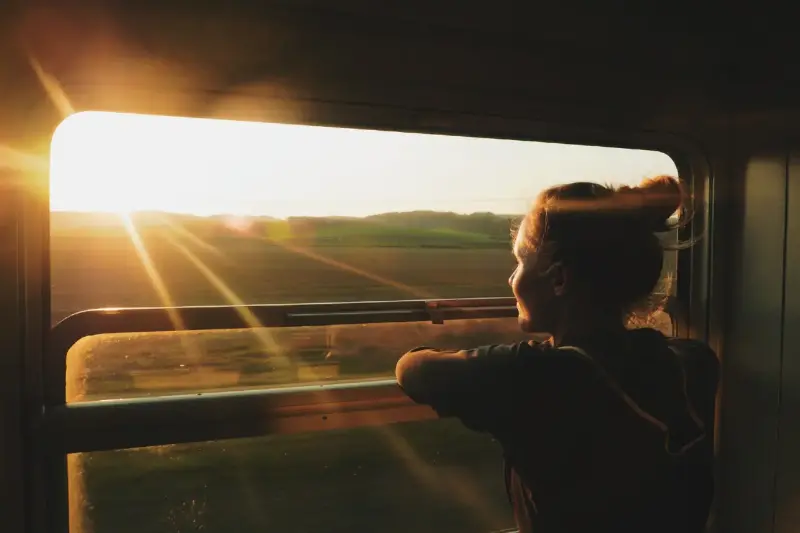
This is travel where the journey matters as much as the destination. Where you swap layover chaos for private compartments, slow mornings, and breakfast in your slippers. Each sense is softly awakened: the warm scent of coffee as dawn paints the windows gold, the smooth vibration of wheels under your feet, the hush of shared stories if you’re not traveling alone.
Cost: surprising deals and hidden perks
For years, budget airlines claimed the cheapest fares. Yet, look a little closer at what your plane ticket covers - and what it doesn’t. Night trains are increasingly competitive once you add up:
- No hotels needed. Your train fare covers both transport and accommodation for the night.
- No surprise fees. A cabin’s price usually includes baggage, linens, and sometimes breakfast.
- Central arrivals. Trains bring you into the city center, not some out-of-town airport.
Here’s how the math can stack up in your favor:
- A Paris to Vienna budget flight: maybe 60 USD, but add 50 USD for a hotel, 20 USD for airport transfer, and you’re at 130 USD before counting meals or checked bags.
- A similar route by night train: fares start around 110 USD for a shared couchette, with premium private cabins costing more - but remember, that’s your bed for the night, too.
For couples or families, reserving a compartment can feel like booking a rolling boutique hotel - often at a price that rivals mid-range city lodgings.
Comfort: sleepers, privacy, and the joy of slowing down
Short haul flights are notorious for cramped seats, dry air, and the endless shuffle of security lines. With night trains, you swap TSA zones for turndown service.
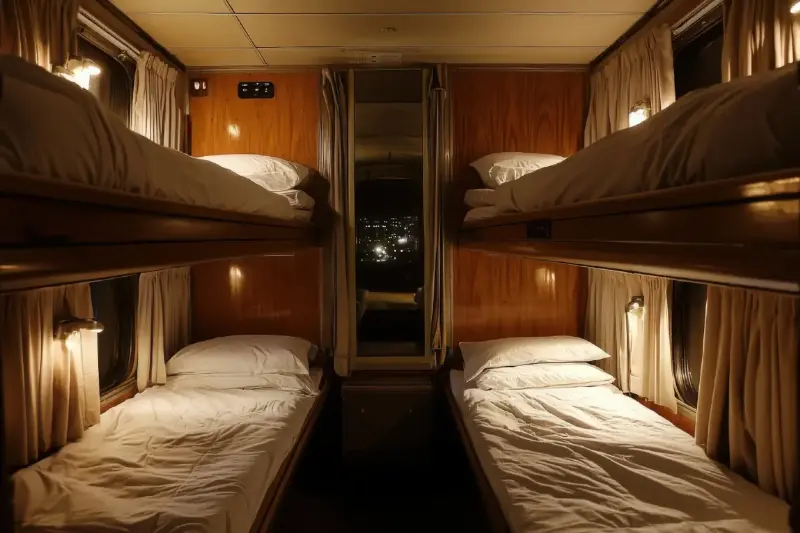
What’s it really like to sleep on a night train? There’s a choice for every type of traveler:
- Couchettes: budget-friendly bunks, sometimes shared, resembling cozy hostels on wheels
- Private cabins: think lockable doors, reading lights, and enough space to stretch out
- Family compartments: ideal for parents and kids, with fold-down beds and playful midnight views
Unlike sitting upright for a red-eye, you can truly stretch out, nap, or rise early for a shower and real breakfast.
For many, the privacy, personal controls, and even the subtle feeling of being ‘rocked to sleep’ is not just more restful - it’s unexpectedly luxurious.
Emissions: can rail really save the planet?
It’s not only your wallet that feels lighter on night rails. Increasingly, travelers want to cut their carbon footprint without sacrificing style.
- Trains emit dramatically less CO2 per passenger kilometer than almost any flight
- Most European and many Asian overnight routes run on electricity, often from renewable sources
- By replacing one flight with a night train, you can slash your emissions for that journey by up to 90 percent
For the climate-conscious, this is a rare win-win: you indulge in a memorable experience but travel with as light a touch as possible.
Sleep: does anyone really rest on a moving train?
Arguably the deal-breaker for many: do you actually sleep? The answer, surprisingly, is often yes.
Modern sleepers prioritize quiet, comfort, and privacy. The gentle sway can soothe even those who struggle on conventional beds. Of course, some need earplugs (or a white noise app) for rattling junctions or the occasional midnight announcement, but most travelers report far better rest than on a cramped plane or an unfamiliar hotel.
Tips for blissful sleeping onboard:
- Choose your compartment wisely: Private or two-person cabins tend to be quieter
- Pack well: bring your favorite sleep mask or pillowcase for added comfort
- Embrace the ritual: unwind with a book, shower before bed, and enjoy the novelty
What’s next: is this the golden age of night trains?
All signs point to a renaissance. New cross-border routes are opening every year, from Belgium to Berlin or Stockholm to Hamburg. Tech investments mean faster booking, WiFi, and better onboard experiences. Iconic lines like the Orient Express are tempting a new generation, while budget sleepers keep prices accessible for most travelers.
Night trains offer something rare in today’s world - the chance to slow down, reclaim lost hours, and travel not just efficiently, but beautifully.
What you gain can’t be measured only in miles or euros. It’s that twilight hush as the city fades behind, the laughter echoing down the corridor, the child’s wonder as morning fields flicker by. It’s your chance to wake up in a new world, having crossed a continent in your sleep.
So where will your next adventure begin? Will you choose speed and routine, or pause, breathe, and watch the world slide by from a sleeper’s window? Sometimes, the greatest journeys happen not in the rush of daylight, but in the quiet magic of the night.