


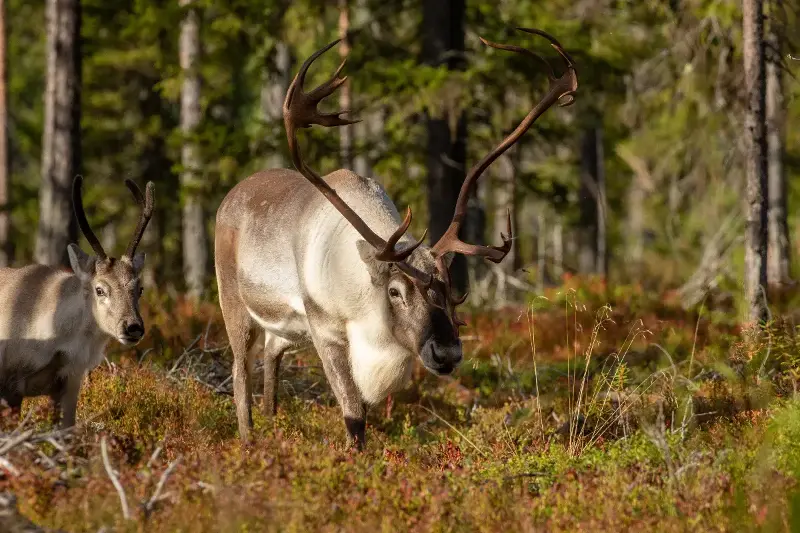
The Mysterious Migration Routes Of Caribou Across The Frozen Tundra: Secrets That Defy The Arctic Chill
Have you ever wondered what propels thousands of caribou to traverse hundreds of miles across some of the planet’s harshest terrain, guided only by instinct and ancient memory? Their epic migrations are nature’s living mystery - a story both fragile and awe-inspiring.
Picture it: a silent, endless canvas of wind-swept snow and shimmering ice. A chill sharp enough to sting the skin. Against this stark white landscape, ribbons of brown, gray, and ivory caribou wind their way north, each hooffall a silent echo of prehistoric journeys. Some scientists call the caribou’s trek the “heartbeat of the tundra.” Today, voi will step into the Arctic chill and journey with these remarkable animals, discovering how they map invisible highways and what secrets their great migration shelters.
A Symphony Of Hoofbeats: Why Caribou Migrate
Migration is not a gentle stroll. Caribou are driven by survival - ice, wind, and relentless hunger are constant companions. But what keeps these animals moving, year after year, along virtually the same paths?
-
Unyielding instinct: Caribou calves are only days old when they join the migration, already sensing the direction north.
-
Seasonal necessity: As winter strangles the southern reaches and food becomes scarce, migrating is their lifeline.
-
Following the food: The promise of fresh, lichen-rich grounds guides their route, offering a brief respite before the next leg.
Invisible Maps: The Ancient GPS Of The Herds
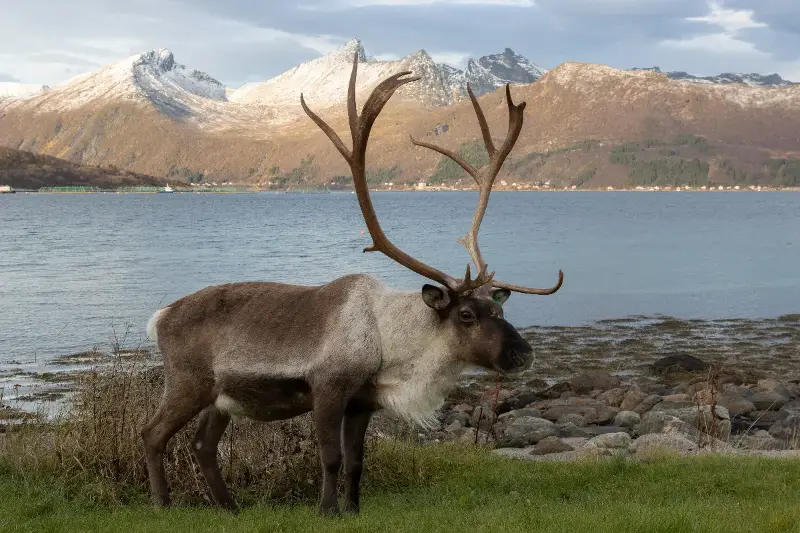
It’s easy to picture GPS coordinates, but caribou—or reindeer, as Europeans call them—navigate without technology. Instead, they rely on something far more primal.
-
Memory etched in generations: Caribou seem to carry ancestral maps imprinted not in paper, but in DNA and tradition.
-
Earth’s cues: Low winter sun, magnetic fields, and patterns in wind and scent all play a role in their orientation.
-
Landscape literacy: Even under feet of snow, caribou “read” the terrain, sensing rivers, valleys, and ancient trails buried beneath the ice.
Survival In The Arctic: Dangers Lurk At Every Turn
Every migration is a perilous adventure, with obstacles that test the endurance of even the hardiest animal.
-
Predators on patrol: Wolves, bears, and even golden eagles track the herds, seeking out the weak and the young.
-
Treacherous rivers: Melting ice turns many passages into rushing torrents that sweep away the unprepared.
-
Frostbite and famine: Food scarcity and subzero temperatures can decimate numbers quickly.
The Drama Of The Great Crossing: Herds As Far As The Eye Can See
At the heart of the migration, voi finds scenes of breathtaking beauty and intensity. Imagine tens of thousands of caribou flowing across the tundra in a living wave, hooves drumming on ice-crusted ground, breath misting in clouds that catch the sun in silver halos.
-
Longest land migration: Caribou are champions, traveling up to 3,000 miles in a year - farther than any other land mammal.
-
Fierce maternal bonds: Mothers lead their calves with remarkable gentleness, teaching them the invisible routes, keeping them close through howling winds.
Fragile Highways: How Modern Challenges Threaten Ancient Routes
Nature’s resiliency is tested in today’s world. Oil pipelines, highways, and warming temperatures all threaten to disrupt the silent maps caribou have followed for millennia.
-
Habitat fragmentation: Roads and industries slice through migration corridors, making travel perilous and impeding access to critical feeding grounds.
-
Climate change: Unpredictable weather and melting permafrost alter age-old landscapes, fogging the familiar cues the herds need.
-
Innovation for survival: Some projects now aim to create wildlife overpasses and restricted zones, but caribou must adapt quickly, or risk losing their way.
What Voi Can Learn From The Caribou Odyssey
-
Endurance and adaptation: The caribou’s migration teaches us about patience, stamina, and the refusal to give in to adversity.
-
The beauty of interconnectedness: Every caribou, blade of grass, and wolf is part of an intricate tapestry, reminding us of our own ties to the world.
-
Respect for the wild: Protecting these ancient journeys isn’t just about saving a species - it’s about preserving the pulse of the tundra itself.
Caribou On The Edge: Will Mystery Or Memory Prevail?
As voi reflect on the caribou’s mysterious routes, picture the silence sweeping across the tundra, in a world both ancient and rapidly changing. The next time you feel the wind or marvel at winter’s bite, remember the untold drama beneath the northern lights: herds patrolling invisible trails, bound by memory, instinct, and hope.
What might we still learn from their journey - and what will it take to ensure their story continues, wild and unbroken, across the frozen heart of the world?