


when temperatures soar, you might notice you’re tossing and turning more than usual or waking up groggy no matter how long you stay in bed. that’s not your imagination—hot weather can really mess with your sleep. understanding why this happens and what you can do about it can help you maintain both your mood and your health through the hottest months.
why summer heat wrecks your sleep
our bodies depend on a regular internal rhythm, called the circadian rhythm, to tell us when to sleep and wake up. normally, your core body temperature starts to dip in the evening just as melatonin, a hormone that promotes sleepiness, rises. but when it’s hot outside—or inside—the process gets disrupted. your body struggles to cool down, making it harder to fall asleep and stay that way.
sleep researchers have found we sleep best in a room between 60 and 67 degrees fahrenheit. when it’s hotter, even by a few degrees, people experience lighter, more fragmented sleep, with less time spent in the deep, restorative stages. this leaves you feeling less refreshed come morning.
fight for your cool—adjust your sleep schedule
so how can you outsmart the heat? there’s more to it than just flinging open a window or aiming a fan at your face. adjusting your entire sleep schedule and nightly routine can be a powerful tool. here’s how you can shift your habits to keep those hotter nights from hijacking your rest.
shift your bedtime
when temperatures stay high late into the evening, consider moving your bedtime later by 30 minutes to an hour. this gives your sleep environment more time to cool down, naturally or with the help of air conditioning and fans. plus, as night progresses, outdoor temps begin to drop, even if only slightly, and your bedroom becomes more bearable.
gradual adjustments are best—try changing your bedtime by 15 minutes each night if you plan to shift your schedule. sudden changes can throw off your core rhythm and make sleep even tougher.
embrace pre-bed cool-down rituals
before bedtime, give your body its own chance to drop in temperature. take a lukewarm shower—a cold one might feel good initially, but it can trigger your body to warm itself up afterward, which is counterproductive. a tepid rinse, on the other hand, gently reduces body heat.
another trick: soak your feet in cool water for a few minutes. your feet play a role in regulating body temperature, and this can help signal to your brain that it’s time to wind down.
control your environment
your bedroom itself plays a huge role, too. keep blinds and curtains closed during the day to block out heat. open windows at night if the outside air is cooler than it is inside—cross-ventilation can work wonders.
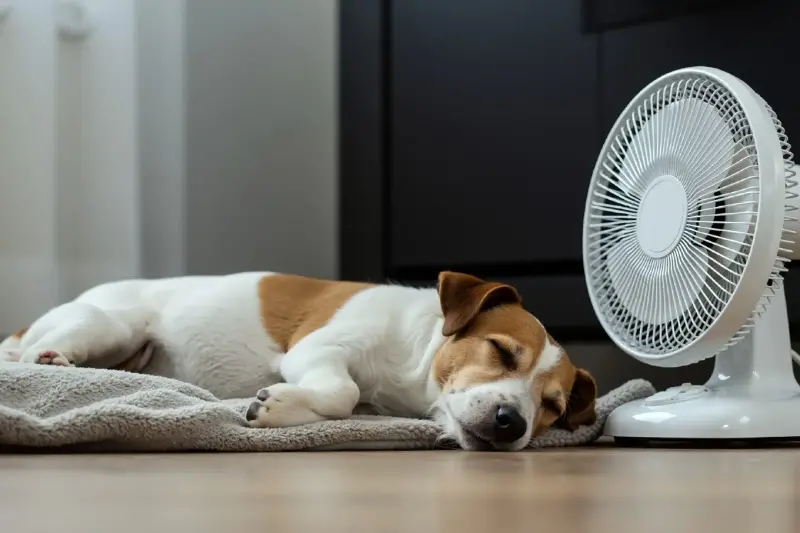
if you have a ceiling fan, set it to rotate counterclockwise in summer; this pushes cool air down. for bonus points, place a bowl of ice in front of a portable fan—the air blown over it becomes slightly cooler.
temperature aside, what you sleep on matters, too. try swapping heavy comforters and memory foam mattresses, which retain heat, for lighter cotton sheets and a mattress topper with cooling technology. even small differences in your bedding can add up.
hydrate smartly
it’s easy to get dehydrated in summer, which can make you susceptible to night sweats and restlessness. aim to drink enough water during the day, but avoid chugging too much right before bed. a full bladder can interrupt sleep just as much as the heat.
stick to lukewarm or room-temperature drinks in the evening. caffeine and alcohol dehydrate you and mess up your sleep patterns—limiting both is wise.
adjust your evening meal
digestion generates body heat. eating large, heavy meals close to bedtime keeps your core temperature elevated, working against a restful night. opt for lighter, earlier dinners with plenty of fresh fruit, whole grains, and lean proteins. salads with leafy greens and water-rich veggies like cucumber and melon can be especially soothing.
create a consistent wind-down routine
routines help your body predict when it’s time to sleep. even if you shift your bedtime, keep your wind-down habits the same: reading, listening to soothing music, gentle stretches, whatever calms you down. the consistent message that it’s time to rest helps your body start cooling in anticipation of sleep, no matter what the thermometer says.
cool tech and sleep gadgets
if you’re open to investing a bit, cooling pillows, gel mattress pads, or even a portable air conditioner can change your summer nights. some high-tech devices monitor your bedroom temperature and activate a fan or cooler automatically if it gets too warm. if you share your bed with a partner who runs warmer, consider dual-temperature bedding.
interesting fact: some cultures have mastered hot-weather sleeping
residents of some of the world’s hottest climates have improvised with their own sleep-adjusting strategies for centuries. in spain and parts of italy, for example, afternoon siestas make up for shorter, later night sleep schedules. in thailand and india, people use lightweight bedrolls or bamboo mats that allow greater air circulation. these methods can inspire creative tweaks to your own routine.
listen to your body
not everyone adapts to sleep changes the same way. some people are naturally early risers, while others thrive with later schedules. if the heat is relentless and you’re consistently getting less sleep, take short, strategic naps—10 to 20 minutes, ideally before 3pm—to make up for it without disrupting your next night’s rest.
why better sleep in summer matters
poor sleep impacts more than your mood. during heat waves, fragmented rest can weaken your immune system, raise your risk for dehydration, and—over several nights—have lasting effects on memory, focus, and heart health. everyone, from students to busy parents and professionals, benefits from smart sleep strategies that work, no matter the season.
finding your own rhythm
in the end, small changes can make a big difference. listen to your own needs, try out combinations of these tips, and remember: quality sleep is as vital as proper hydration or sun protection in the summer. it helps you recharge, recover, and fully enjoy those long, sunny days—even when temperatures refuse to dip, night after night.