



when summer rolls around, travel plans often take center stage—swimming, hiking, sightseeing, road trips, and bustling airports. but alongside the excitement comes one essential health task easy to overlook: staying properly hydrated. dehydration can quickly sneak up when temperatures soar and routines shift. as your travel itinerary fills up, tracking hydration might seem like just another to-do, but it’s more crucial than ever. here’s how you can turn hydration tracking into a simple, even enjoyable habit that safeguards your health wherever summer takes you.
why hydration matters more in summer travel
heat doesn’t just make you sweat; it challenges your body in several ways. when you’re active—whether hitting city streets, mountain trails, or amusement parks—your fluid loss accelerates. couple that with airplane cabins’ dry air, salty travel snacks, or celebratory cocktails, and dehydration risk can spike before you notice.
dehydration isn’t just feeling extra thirsty. it can cause headaches, fatigue, irritability, dizziness, muscle cramps, and even digestive distress. more severe cases may lead to heat stroke—a medical emergency. fortunately, with a few strategies and some awareness, you can outsmart both the summer sun and the travel shuffle.
getting personal: how much water do you really need?
the classic “eight glasses a day” rule is outdated for most people, particularly in summer or when you’re active. daily needs vary based on body size, age, gender, exertion level, and the climate you’re in. generally, most adults require between 2 to 3 liters (about 68 to 101 ounces) of water a day, but needs jump with heat and activity.
for a more tailored approach, consider these factors:
- your body weight: shoot for about half an ounce to one ounce of water per pound of body weight daily.
- activity level: add 12 to 24 ounces for every hour of moderate-to-intense activity.
- elevation and humidity: hot, humid, or high-altitude destinations require extra fluids.
unique summer challenges: how travel tricks us
travel itself introduces new hydration hurdles. time zones can disrupt your usual schedule, leading to missed water breaks. unfamiliar local foods—salty, spicy, or high in sugar—can cause more fluid loss. air conditioning in airports and hotels dries you out more than you expect, while sightseeing spells in the sun or hours of driving with the windows down both increase risk.
common hydration myths—like “if you’re not thirsty, you don’t need water”—are also misleading. by the time you feel thirsty, your body may already be behind.
how to track hydration: smarter, not harder
so, how do you ensure you’re getting enough water during summer travel? these strategies make tracking effortless and effective:
choose your water vessel wisely
a reusable, easy-to-refill bottle is the keystone of any hydration strategy. select one with clearly marked measurements (in ounces or milliliters)—this makes tracking much easier. if you’re flying, carry it empty through security, then fill up before boarding. collapsible bottles can be space-saving for day trips or hikes.
set reminders (your phone is your friend)
technology can help. set hourly reminders on your phone or smartwatch to nudge you to sip, or use hydration apps that send notifications and log your intake (search for free ones on your app store, like “plant nanny,” “waterlogged,” or “mywater”). some smart bottles even vibrate or light up as reminders.
leverage the power of habit stacking
pair your water intake with existing routines: a glass before every meal, a few sips after bathroom breaks, or every time you check your maps app for the next stop. these mini-routines make it almost automatic, ensuring you drink consistently, not just in big gulps after feeling parched.
don’t overlook water-rich foods
hydration isn’t just about what’s in your bottle. fruits like watermelon, strawberries, oranges, and cucumbers are over 90% water, and make perfect travel snacks for both adults and kids. yogurt cups, salads, and smoothies all count toward your daily intake, and can help you switch things up if straight water gets boring.
pay attention to your body’s clues
while thirst is a late sign, other cues are easy to monitor—even on the move:
- urine color: pale straw to light yellow usually means you’re hydrated.
- energy levels: unexplained fatigue, crankiness, or sluggishness may signal dehydration.
- physical symptoms: dry lips, mouth, or skin? a mild headache? reach for your water bottle.
watch out for overhydration
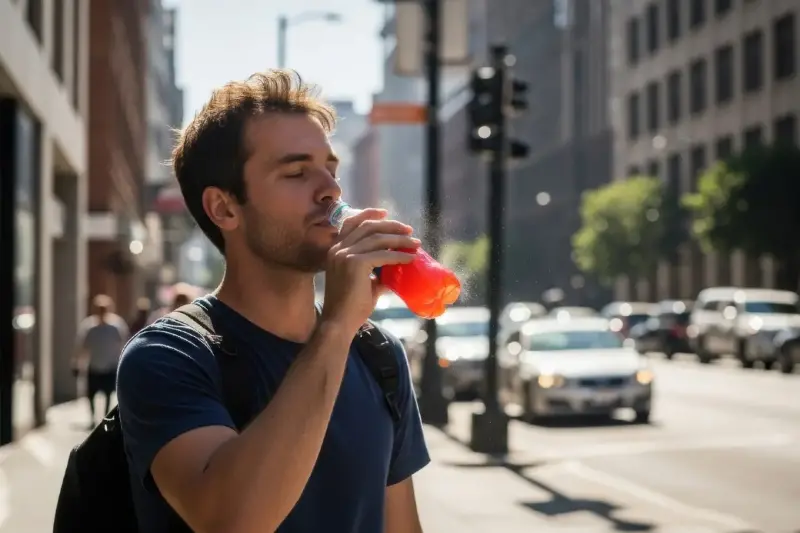
it’s possible (though rare) to overdo it, especially if drinking large amounts in a short period. listen to your body; if you’re not particularly active or sweating, don’t force excessive amounts. balance is key.
water with benefits: flavor and function
if plain water gets monotonous, infuse it with slices of lemon, mint, berries, or cucumber. electrolyte powders or tablets—readily available in travel-ready sachets—can be helpful, especially during long hikes, flights, or days in direct sun, as they replenish sodium and minerals lost in sweat.
building family or group routines
if you’re traveling as a couple, with friends, or with kids, make hydration a group activity. have water contests, check in with each other, or set shared reminders. parents can track kids’ intake using water bottles with measurement lines or apps; involving children by letting them pick their own bottle can make them more enthusiastic.
hydration tracking hacks for every situation
- on flights: drink 8 ounces of water every hour you’re airborne and skip or limit alcohol and caffeine, which are dehydrating.
- on road trips: pack extra bottles (not just single-use), store a cooler of water-rich snacks, and make drinking water part of pit stops.
- in cities or on tours: identify public fountains, refill as you go, and take advantage of restaurants that offer free water.
- at the beach or pool: remember you lose fluids both in direct sun and swimming, even if you don’t notice sweating.
final thoughts: turning tracking into a health habit
while keeping up with hydration can seem complicated, especially when travel shakes up your routine, it’s one of the simplest—and most powerful—ways to feel your best. being proactive about tracking not only supports mood, energy, skin, digestion, and focus, but also helps you make the most of every summer adventure.
so before you zip that suitcase, pick your favorite bottle, set those reminders, and make a hydration plan part of your itinerary. your body (and your travel pictures) will thank you.