


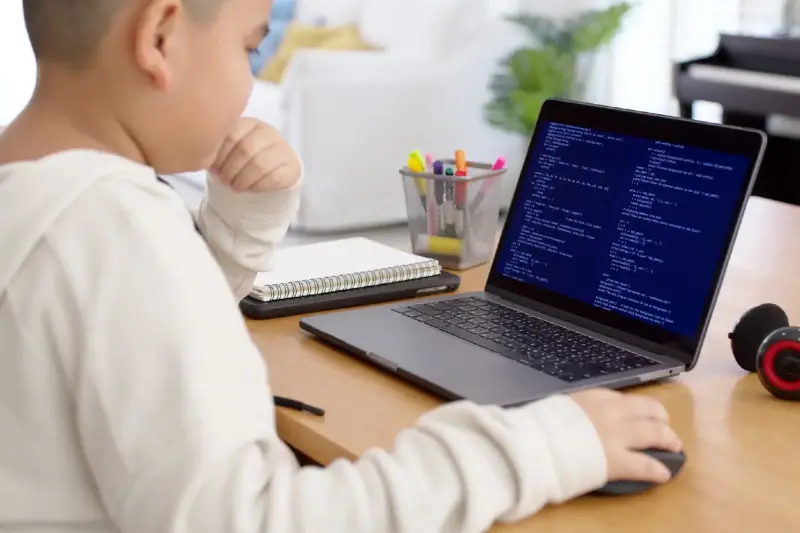
in the past decade, the conversation around childhood education has undergone a quiet yet profound transformation. while reading, writing, and arithmetic remain critical, there’s a new contender steadily climbing the ranks: coding. it’s no longer relegated to the after-school clubs or the niche world of aspiring software engineers. today, coding classes are finding their way into mainstream curricula—and for good reason. understanding why coding classes are now essential for kids opens up a timely discussion about the skills, opportunities, and realities of our increasingly digital world.
coding is no longer just about computers
the popular notion of coding as a pathway to a career in tech is only a sliver of the story. coding is, at its heart, a way of communicating with machines to solve problems. what’s more important is that many everyday objects now depend on code: from smart refrigerators and cars that park themselves, to the apps that help with homework or keep families connected.
the modern world—across industries as varied as healthcare, agriculture, media, and entertainment—relies on people who can think in algorithms, recognize patterns, and break a problem into smaller, solvable parts. teaching children these basics isn’t about raising a generation of programmers; it’s about equipping them to function and prosper regardless of where they land in the adult world.
early exposure brings lifelong advantages
research supports the idea that kids who start coding at a young age pick up the concepts much faster and more naturally than those who begin later. children are naturally curious and unafraid of failure, a perfect mindset for learning something as hands-on as coding. early exposure to coding builds not just digital literacy, but a comfort with logic, sequencing, and troubleshooting.
but there’s more to it than computer skills. coding is closely linked to higher-order thinking. for instance, when students start building their first simple app or game, they learn not only how to make the app work but also how to identify bugs, test solutions, and iterate. these are the kinds of cognitive abilities that transfer across all academic subjects and eventually into career paths.
creative potential unleashed
one of the less acknowledged facets of coding is its creative potential. there’s a growing movement to include the arts into the traditional stem (science, technology, engineering, and mathematics) approach—a philosophy called steam. coding can be a deeply creative pursuit: designing a game, animating a story, or building a website allows kids to express themselves in a medium that resonates with their generation.
even for children who may not see themselves as ‘techies,’ the process of creating something from nothing—seeing an idea transform into a digital reality—builds confidence and a sense of agency. for example, when kids design animations or interactive stories, they combine logic with artwork, narrative with function. it’s a type of creative problem-solving that is unique to the digital age.

a tool for inclusivity and diversity
coding has the potential to be a great social equalizer. with the right support and guidance, kids from different backgrounds can access high-quality learning resources, often for free or at low cost. organizations and initiatives across the united states are working to bring coding experiences to underserved schools and communities, recognizing that digital fluency can help close educational and economic gaps.
interestingly, exposure to coding at an early age has also been linked to increased diversity in technology-related fields. studies show that when girls and underrepresented minorities experience inclusive, relevant, and engaging coding education early, they’re more likely to pursue it further. this opens up pathways that can transform not just individual lives, but entire communities.
critical skills for the twenty-first century
coding isn’t only about technical chops. in the process of learning to code, kids develop some of the most important “soft” skills needed in any walk of life. collaborating on group projects teaches teamwork and communication; debugging tricky code fosters patience and perseverance; iterative design cultivates adaptability and a willingness to learn from failure.
these competencies are recognized by employers across all industries. the world economic forum’s future of jobs report highlights problem-solving, analytical thinking, and creativity as some of the most valued skills for tomorrow’s workforce. coding classes give kids a hands-on way to practice and refine these capabilities.
digital safety and citizenship
another often overlooked aspect of early coding education is its role in shaping responsible digital citizens. understanding how technology works makes young people more aware of possible risks—such as privacy issues, cyberbullying, or misinformation. when children know what goes on “under the hood” of their favorite apps or websites, they become more discerning consumers and more thoughtful contributors to the online world.
getting started: it’s easier than you think
contrary to common belief, introducing kids to coding doesn’t require expensive equipment or prior technical expertise. many popular programming languages, like scratch and python, are designed with beginners in mind and come with colorful visuals, interactive tutorials, and thriving communities eager to help newcomers. countless apps, games, and online courses cater to different learning styles, ensuring that every child can find an entry point that sparks their imagination.
schools are increasingly integrating coding into the curriculum as part of computer science or technology classes. however, parents can also encourage coding at home with a project-based approach—building a simple website, creating a family game, or exploring robotics kits together.
preparing kids for an unpredictable future
the job landscape is evolving faster than ever, with new industries and roles emerging while older ones fade away. one thing that remains consistent is the growing demand for digital literacy. whether kids end up designing video games, performing research in biology, solving climate issues, or simply mastering the gadgets they use every day, understanding coding gives them an undeniable advantage.
the case for coding classes as an essential part of children’s education is compelling and multilayered. it’s much more than a technical skill; it’s a gateway to creativity, problem-solving, collaboration, and global citizenship. in today’s world, giving kids the opportunity to code is giving them the toolkit to shape their own futures—and perhaps, in ways we can’t yet imagine, shape the world too.