


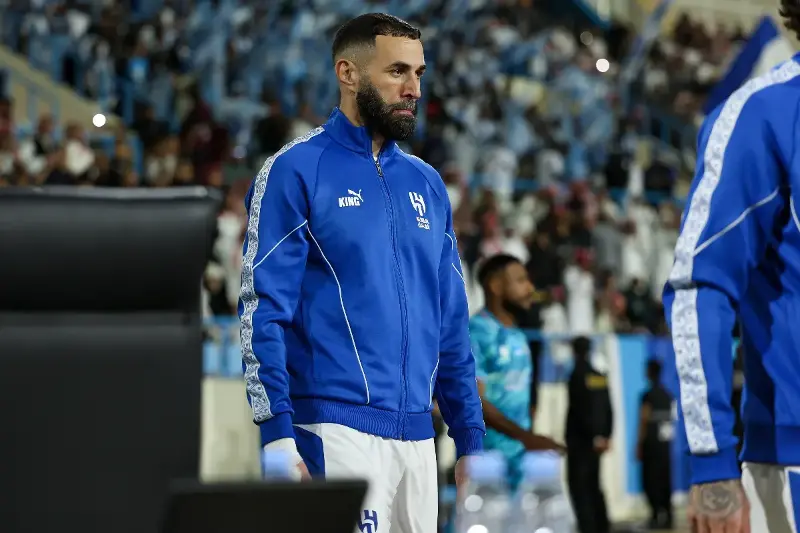
It wasn’t long ago that the Saudi Pro League was making headlines for lighting up the global football scene with jaw-dropping signings and eye-popping investment. The league’s chief executive confidently declared, “Our goal is to sustain investment in the coming years; this is by no means a passing fad.” Yet, as the winter transfer window closes, it’s hard to ignore the turbulence shaking this ambitious project right down to its core.
Big spenders, bigger headaches: signs of instability emerge
Few could have foreseen the mounting uncertainty now clouding the Saudi Pro League’s future. Despite assurances of “robust investment,” this winter’s transfer window exposed several cracks. Fans are closely watching the unresolved futures of star imports like Otávio Bento, Yannick Carrasco, Marcos Leonardo, and Moussa Diaby. Each player’s murky status signals questions about long-term commitment and vision.
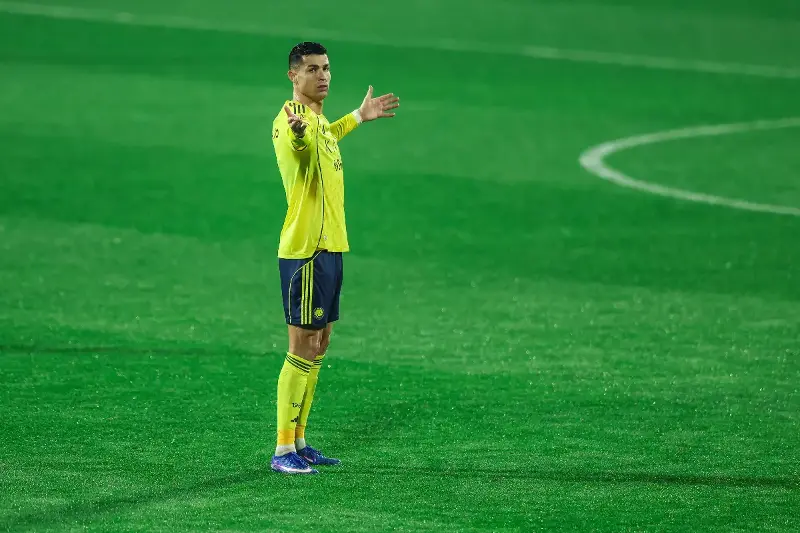
But the biggest red flag came from the league’s brightest star: Cristiano Ronaldo. His recent match boycott quickly became a viral sensation, overshadowing transfer drama. Inside sources report that Ronaldo is deeply frustrated with the lack of change by Saudi Arabia’s Public Investment Fund (PIF) and claims insufficient transfer spending compared to league rivals—most notably, Al-Hilal. Even more concerning are fresh reports of salary arrears to top players, an issue that could shake player trust to its foundation.
From record signings to record departures: the tide turns
When Ronaldo first landed in Saudi Arabia three years ago, he heralded a seismic shift: “I am extremely honoured to witness the league’s growth and the arrival of numerous players that have made it more exciting and competitive.” Since then, the league has splashed over €2.3 billion on signings, with almost €1.95 billion in net transfer spending, making it football’s second biggest spender after the English Premier League.
Yet, star power is now ebbing away as fast as it once flowed in:
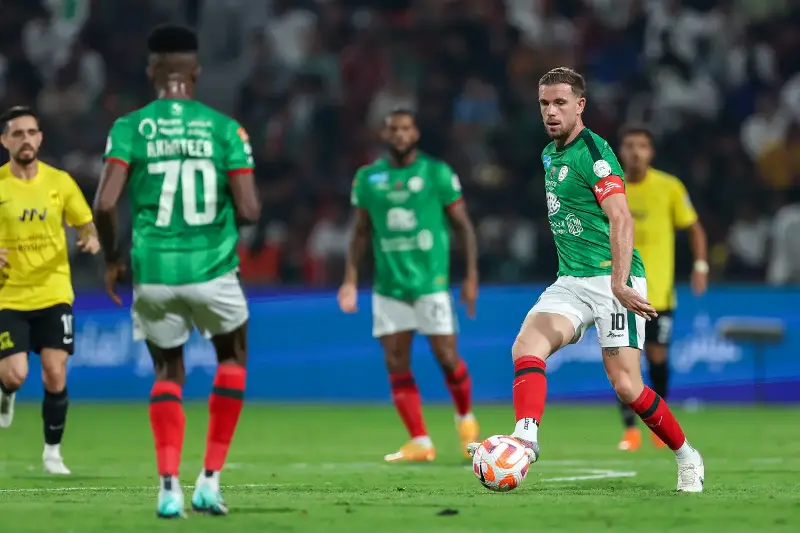
- Jordan Henderson’s premature exit from Al-Ettifaq after only six months set a high-profile precedent.
- Seko Fofana, Neymar, Anderson Talisca, Alex Telles, and Ivan Rakitic have since followed suit, reigniting conversations about the league’s staying power.
- Notably, Al-Ittihad lost N'Golo Kanté and watched Karim Benzema jump ship to Al-Hilal in a move that stirred considerable controversy.
The exit ramp could become busier still—Al-Hilal’s Kalidou Koulibaly now openly negotiates his future, while Al-Nassr has fringe uncertainty around Marcelo Brozovic, Sadio Mané, and Íñigo Martínez. Al-Ahli could see Franck Kessié depart, and with contracts running out for Nacho Fernández and Georginio Wijnaldum, a summer exodus is brewing. Only Rúben Neves’ fresh contract extension offers momentary reassurance.
Global competition and star departures: can the project survive?
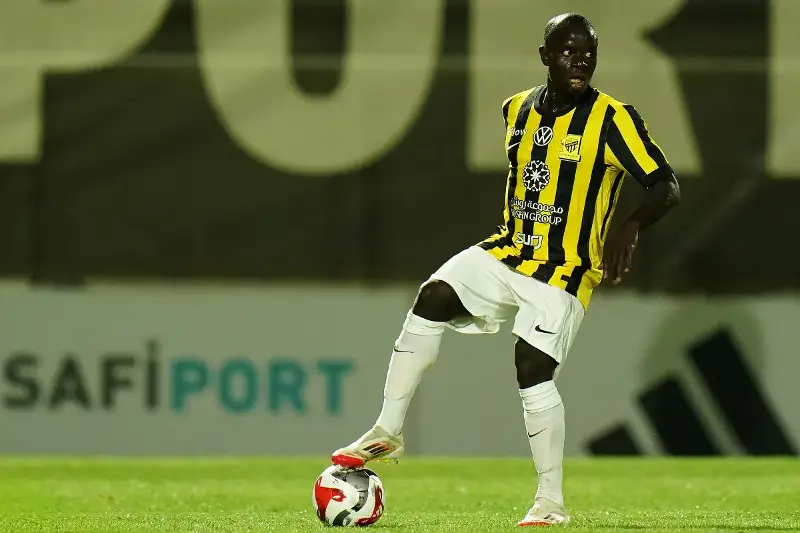
The world is watching as the Saudi Pro League confronts fierce competition from rising football markets. Leagues like MLS, Turkey’s Süper Lig, and Brazil’s Série A continue to improve financially, emerging as real alternatives for world-class talent. FIFA President Gianni Infantino once predicted that the Saudi league would “have the potential to become one of the world’s top three leagues.” Yet, the parade of departing superstars—such as João Cancelo and N'Golo Kanté—has put that dream to a stern test.
While high-profile names still remain, with Cristiano Ronaldo as the standout attraction, the league faces a double threat. Players dissatisfied with conditions may look to exit, and another wave of contract expirations in the summer could accelerate a possible decline. What began as a dazzling football revolution is now at a crossroads—will the remaining stars agree to stay, or will nostalgia for European glory prove irresistible?
The road ahead: uncertainty as 2034 FIFA World Cup looms
With Saudi Arabia set to host the 2034 FIFA World Cup, the stakes have never been higher. The Saudi Pro League must quickly address its sustainability challenges:
- Rebuild trust with marquee players through financial reliability.
- Bolster squad stability with new contracts and targeted signings.
- Outpace emerging leagues by innovating on and off the pitch. The next two seasons could determine whether the Saudi project cements its place among world football’s elite or fades as a case study in sporting ambition.