 KaiK.ai
korean fermented sauces gaining global fame
korean fermented sauces have been gaining fans around the world, popping up on grocery shelves and restaurant menus from los angeles to london. what’s behind this surge in popularity? it turns out these boldly flavored staples have a long, rich history in the kitchens of korea—and are now winning global appreciation for their unique taste and impressive health benefits.
for centuries, fermentation has been at the heart of korean cuisine. the practice not only preserved food long before refrigeration, but also created deep, complex flavors that can’t be mimicked by any other method. while kimchi might be the first thing that comes to mind, it’s the fermented sauces—gochujang, doenjang, and ganjang—that are now stealing the spotlight.
gochujang, a spicy-sweet red chili paste, is probably the most recognized korean condiment abroad. it’s made by fermenting glutinous rice, soybean powder, red chili powder, and salt in large earthenware pots for months. the result is a thick, crimson paste with a perfect balance of heat, umami, and just a hint of sweetness. gochujang is a critical part of bibimbap, tteokbokki, and marinades for korean barbecue, but chefs and home cooks worldwide have found creative uses for it—stirring it into mayonnaise for burgers, adding it to soups for extra depth, or even spicing up scrambled eggs.
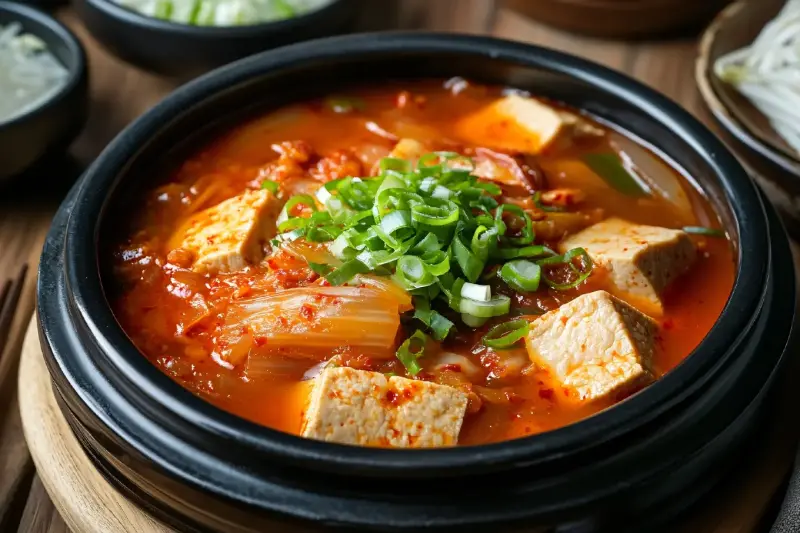
then there’s doenjang, a traditional soybean paste sometimes compared to japanese miso, though the two have distinct personalities. doenjang is chunkier, darker, and carries a stronger, earthier aroma. its bold funkiness comes from a long, careful fermentation process, often lasting up to three years. rich in protein and packed with probiotics, doenjang forms the backbone of doenjang-jjigae, a comforting stew brimming with tofu, potatoes, zucchini, and beef or seafood. in recent years, food lovers outside of korea have started experimenting with doenjang, using it to add umami to salad dressings, pasta sauces, and even as a surprising element in chocolate truffles.
ganjang, korean soy sauce, has its own origin story. it’s derived from the liquid byproduct of making doenjang, aged and seasoned in its own right. ganjang’s flavor differs from japanese or chinese soy sauces, with a more subtle, savory taste that complements rather than dominates dishes. it’s a vital ingredient in banchan (korean side dishes), dipping sauces, and stir-frys.
what sets korean fermented sauces apart is the way they blend heat, depth, sweetness, and saltiness in balanced proportions—thanks to a meticulous fermentation process shaped by generations of culinary tradition. local terroir, seasonal temperatures, and ancestral techniques all contribute to subtle differences in taste between regions and even families.
their rise on the world stage is also a story of cultural curiosity and the global movement toward embracing fermented foods. science backs up their appeal: studies show fermented foods are good for gut health, thanks to probiotics produced during the fermentation process. these probiotics help regulate digestion and may boost immunity. meanwhile, fermentation enhances nutrient absorption and produces unique compounds with antioxidant properties—which means these sauces aren’t just delicious, they’re also good for you.
the global surge in korean pop culture has certainly helped boost their profile. k-pop music, korean dramas, and movies have sparked a broader interest in all things korean, food included. as more people explore korean dining, home cooking, and even travel, curiosity about the country’s distinct flavors continues to grow. top chefs at acclaimed restaurants have embraced korean sauces as tools to bring new taste dimensions to their menus, incorporating gochujang into aioli, adding doenjang to risotto, or using ganjang in place of soy sauce for subtle umami notes.
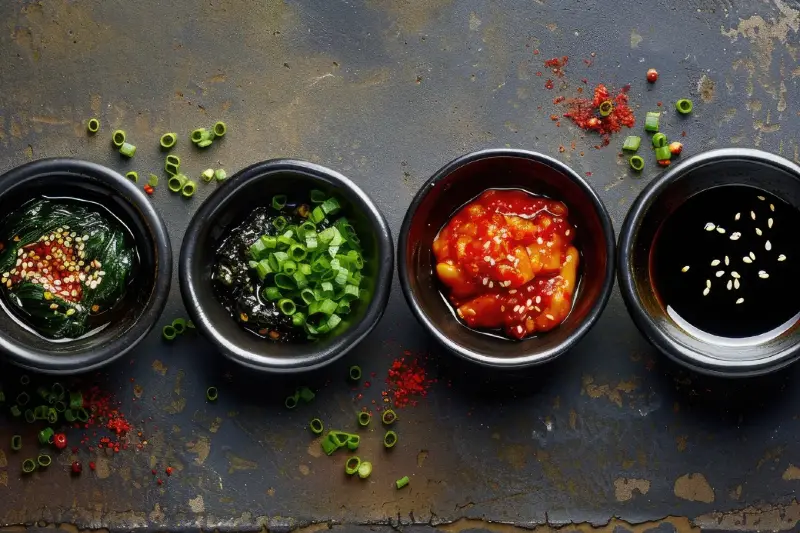
eager home cooks can now find premium korean sauces in mainstream supermarkets across the united states. some producers, both in korea and overseas, are focusing on small-batch, artisanal versions that highlight traditional methods and clean ingredients. at the same time, global brands are launching ready-to-cook kits, gochujang-flavored chips, and fusion snacks, making these sauces even more accessible and adaptable.
there’s also a growing awareness of regional sauce variations. for instance, sunchang, a town in south korea’s north jeolla province, is acclaimed for its gochujang, said to be spicier and richer than other regions. andong’s ganjang is renowned for its deep, mellow flavor derived from a chilly climate and long aging process. food tourists now visit these regions not only for the scenery but also to sample local sauces at farmhouse kitchens and hands-on workshops.
as popularity grows, so does the conversation about authenticity versus adaptation. while purists advocate for time-honored recipes and prolonged fermentation, others are excited by the flavor twists emerging from hybrid cooking. california chefs mix gochujang with maple syrup for a sweet-spicy glaze on roasted vegetables. british bakers add doenjang to sourdough bread for an unexpected pop of flavor. in new york, food trucks toss fried chicken with ganjang-based sauces for a distinctly korean-american crunch.
perhaps what makes korean fermented sauces so enduring—and so intriguing—is their versatility. they bring a punch of flavor to everyday meals yet invite endless creativity. they hold generations of cultural memory and yet prove endlessly adaptable, shaping new stories on plates around the globe.
as korean fermented sauces continue to gain global fame, they’re not just transforming how we season our food—they’re broadening the way we think about flavor, tradition, and the power of a little patience in the kitchen. whether you’re searching for bold heat, rich umami, or a new culinary adventure, these time-tested sauces are waiting to be discovered in pantries and recipes everywhere.