 KaiK.ai
how vegan korean food became a luxury trend
once upon a time, vegan options in korean cuisine were seen as limited, especially outside of buddhist temple food or home-cooked vegetable banchan. but in the last decade, vegan korean food has climbed an unlikely ladder to become one of the luxury dining world’s most enticing trends. what sparked this rise, and how did kimchi and gochujang-dressed vegetables make their way onto tables beside truffle foam and gold leaf? let's delve into how this fascinating culinary shift happened and why vegan korean food is now the toast of cosmopolitan foodies from los angeles to seoul.
for centuries, meat has been a prominent part of the korean diet, thanks to classic dishes like bulgogi, galbi, and seafood-laden jjigae. yet quietly simmering beneath these meaty mainstays was a rich tradition of plant-based fare, much of it protected by korea’s centuries-old buddhist temples. here, monks perfected elaborate vegan meals grounded in seasonal vegetables, wild mountain herbs, and hand-fermented sauces. for many, this careful, almost spiritual approach to food preparation offered an intriguing template—one that would eventually intersect with a global movement toward conscious, luxury eating.
worldwide, the market for vegan cuisine has exploded as diners grow more health-conscious and ethically driven. in 2023 alone, the plant-based foods market was valued at over $44 billion, projected to surpass $77 billion by 2025. korean cuisine, already celebrated for its bold flavors and fermentation science, proved adaptable for creative chefs looking to elevate vegetable cookery. their efforts found fast fans among both long-time vegans and adventurous omnivores eager for fresh takes on umami-rich, detoxifying food.
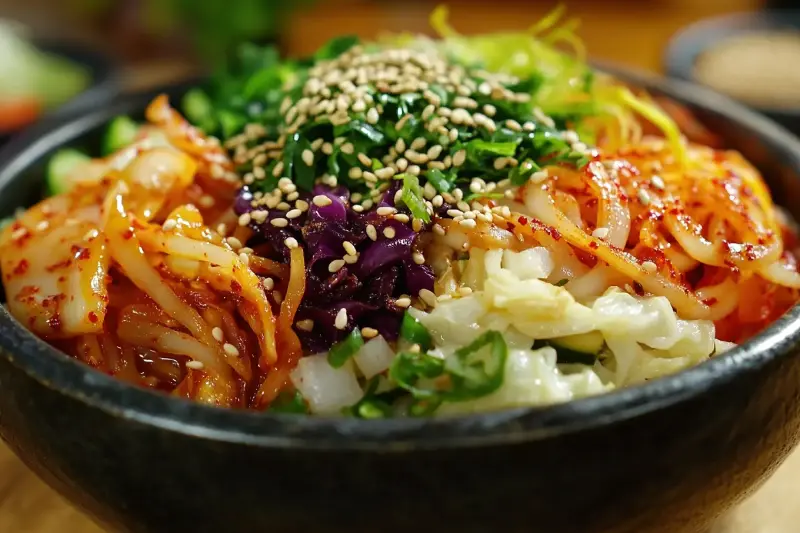
what truly set vegan korean cuisine apart was its natural alignment with many luxury trends sweeping the food world. for one, authenticity and chef-driven storytelling became high currency. korean vegan chefs tapped into their heritage, sourcing rare fermented pastes (jangs), wild herbs, hand-foraged mushrooms, and traditional pickling techniques to reinterpret dishes like bibimbap and the famed temple jeongol hot pots.
in upscale neighborhoods from new york to london, restaurants like new york’s jua and seoul’s soil & seed began offering elaborate vegan tasting menus. one could sample vegan versions of japchae noodles, their glossy sheen derived not from meat stock but from deep-roasted sesame oil and house-aged soy sauce. others dived deep into temple cuisine’s signature meals: nine-plate courses with seasonal mountain vegetables and tofu skin, elegantly plated alongside house-made, long-aged kimchi that traded fish sauce for kombu brine and apple essence. this commitment to both the past and present has helped vegan korean spots stand out in a crowded fine dining field.
in many ways, the rise of vegan korean food in luxury settings reflects a larger cultural shift. younger generations of diners in both korea and abroad are hungry for new experiences. they’re driven not just by taste, but by wellness, sustainability, and social media appeal. vegan korean cuisine, with its jewel-bright fermented pickles, artfully layered banchan, and photogenic stone bowls, naturally attracts the instagram generation. restaurants serving this fare have tapped into a collective craving for visually striking, meaningful food that doesn’t compromise on flavor.
another interesting factor in the trend’s luxury makeover is korea’s own ceaseless innovation. in seoul, chefs have been quick to transform even late-night comfort foods into vegan gems. vegan “cheese” tteokbokki draws lines at hip lounges, while luxury hotels host vegan makgeolli (rice wine) tastings with aromatic, hand-crafted infusions. the korean focus on fermentation and technique means every bite—whether it’s a bite of lotus root or a spoonful of black garlic porridge—carries the depth and umami usually associated with much pricier animal-based dishes.
the global appeal of vegan korean cuisine has led to some interesting collaborations. in los angeles, home to the largest korean community outside asia, vegan innovators merge la’s bounty of fresh produce with korean seasonings, while miami and london have seen pop-up dinners pairing vegan kimchi pancakes with champagne and yuzu cocktails. even upscale grocery stores like whole foods and erewhon now stock vegan kimchi, vegan gochujang, and korean-inspired mushroom jerky, reflecting a broader commercial embrace.
perhaps most tellingly, vegan korean food’s new luxury cachet is being recognized by major awards. in 2022 and 2023, seoul’s finest vegan restaurants received michelin guide nods, while chefs like shin kim and junghyun park have achieved international attention for their creative, plant-based spins on korean classics. food media from bon appétit to the new york times have celebrated this approach as both forward-thinking and deeply rooted in tradition. the trend is not merely about substituting tofu for beef—it’s about elevating humble ingredients, showcasing unique produce, and honoring centuries-old kitchen wisdom.
it’s worth noting that luxury vegan korean dining does come at a cost. sourcing organic specialty produce, wild herbs, and artisan house-fermented condiments takes time and money, not to mention the sheer skill required for such delicate knife work and layering of flavors. but for those who can reserve a seat, the experience is unlike any other—an edible journey through umami, spice, and fermentation, all while supporting ethical, sustainable foodways.
as tastes turn toward mindful, eco-friendly eating without compromising on sensory pleasure, it seems likely that vegan korean food will continue to shine in the limelight of luxury dining. from elegant, multi-course feasts in seoul’s minimalist temples to the colorful vegan barbecue platters emerging in brooklyn, the fusion of culinary tradition with plant-based creativity is proving to be much more than just a trend. in the world of high-end cuisine, korean vegan food has arrived—and it’s only getting started.