


Electric SUVs have gained popularity as a symbol of eco-conscious driving and modern luxury. Promising reduced emissions, cutting-edge technology, and a quieter ride, they're often portrayed as a key solution to our growing environmental crisis. Behind their shiny exteriors and silent engines, however, there are truths that experts and manufacturers tend not to broadcast. In this exploration, we peel back the layers on electric SUVs to reveal the less-talked-about facts concerning their production, performance, and impact on our planet.
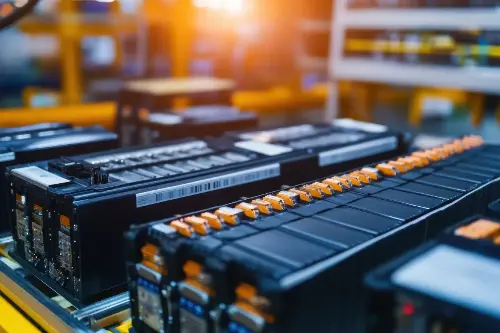
Firstly, the ecological benefits of electric SUVs are more complex than they appear. One of the significant concerns is the carbon footprint involved in manufacturing the battery. Production of lithium-ion batteries, which power most electric vehicles (EVs), is energy-intensive, involving the mining of raw materials like lithium, cobalt, and nickel. The extraction of these materials raises environmental concerns, including habitat destruction, groundwater pollution, and the carbon emissions from the mining itself. Moreover, the ethical issues related to mining practices in some countries pose additional problems that are often ignored in the mainstream discussion about electric vehicles.
Another point that requires scrutiny is the energy sourcing for charging electric SUVs. The environmental friendliness of driving an electric SUV greatly depends on the electricity grid it's charged from. If the energy comes from coal-fired plants or other nonrenewable sources, the advantages diminish significantly. It's only when these vehicles are charged with renewable energy, such as solar or wind, that their potential for reducing greenhouse gas emissions is fully realized. This crucial variable is rarely given due emphasis in marketing materials, leaving consumers with an incomplete picture of their vehicle's true environmental impact.
In terms of performance, electric SUVs are often lauded for their instantaneous torque and impressive acceleration. However, these vehicles also face issues with range and battery degradation over time. Range anxiety, or the fear of running out of power before reaching the destination or a charging point, remains a significant concern for potential buyers. Although advancements in technology have led to improvements in the range of electric SUVs, they still generally fall short compared to their gasoline counterparts, especially under real-world driving conditions that include fluctuating temperatures, use of air conditioning or heating, and varied terrain.
Battery degradation is another reality – electric vehicle batteries lose capacity over time, just like the batteries in smartphones and laptops. The range of an electric SUV can decrease as the vehicle ages, which could spur earlier-than-anticipated replacements, adding to the environmental burden through more frequent production and disposal cycles.
Speaking of disposal, the question of what happens to the batteries at the end of their life is rarely addressed in an upfront manner. Battery recycling is possible and is becoming more efficient, but it's not yet widespread, and many regions lack the necessary infrastructure. The recyclability of the entire vehicle is another point of contention as the complexity of electric SUVs can make them harder to dismantle and recycle compared to more straightforward internal combustion engine vehicles.
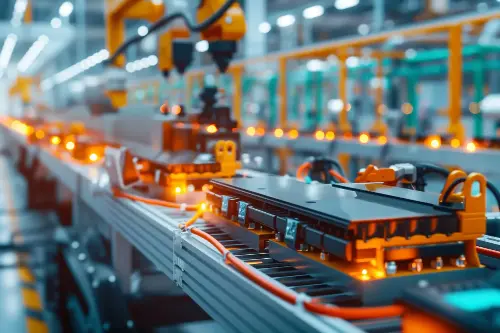
Economically, the total cost of ownership of an electric SUV may be more complex than advertised. While it's true that electric vehicles have fewer moving parts and may require less maintenance than traditional vehicles, potential costs lurk in the form of battery replacement and the installation of home charging infrastructure. Additionally, insurance costs for electric SUVs can be higher, due to their advanced technology and higher repair costs.
Lastly, while electric SUVs represent a significant advancement in automotive technology, it's important to note that they are not the only option for reducing transport-related emissions. Innovations such as improved public transportation networks, investment in cycling infrastructure, and even the development of more efficient combustion engines can also contribute to the reduction of our carbon footprint.
In conclusion, while electric SUVs offer many benefits and are undoubtedly part of the evolution towards more sustainable transportation, they are not a perfect solution. As consumers, it's vital to have a full understanding of both the pluses and minuses associated with electric SUV ownership. A combination of informed decision-making and a push for continued innovation and responsible sourcing by manufacturers will help ensure that the cleanest possible transportation future becomes a reality. As always with advancing technologies, a nuanced perspective that acknowledges the complexities of sustainability is essential.