Why Driving With The Fuel Low Light On May Cost You More Than Just Gas
 KaiK.ai
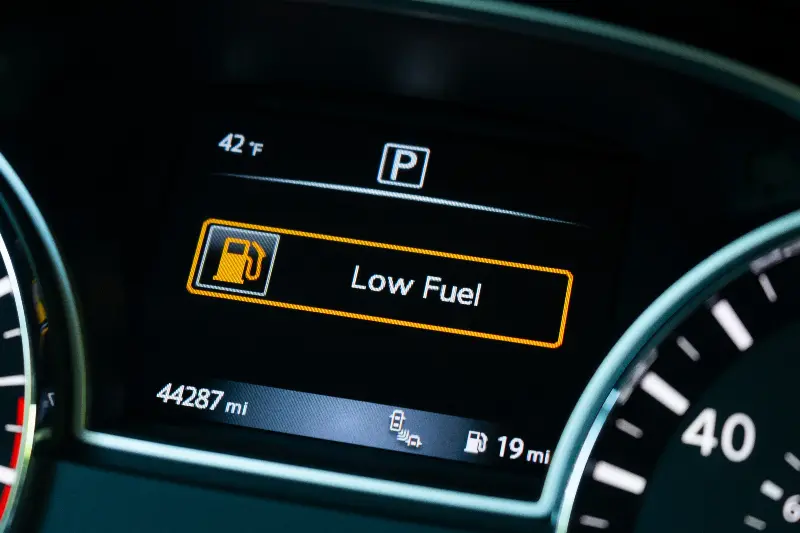
Most drivers have experienced that moment of anxiety: the low fuel warning light flickers on, and suddenly every passing mile feels a little riskier. It's tempting to squeeze every last drop out of your tank, especially when life gets busy or when gas prices seem sky-high. But driving with that low fuel light glowing can end up costing you far more than just a few extra dollars at the pump. Let’s take a closer look at the real consequences of running on empty, and why it’s smarter—not just safer—to refuel before you hit that critical limit.
How Your Car Reacts to Low Fuel
Modern cars are marvels of engineering, but they’re not invincible. When you drive with minimal fuel, your vehicle's systems start to face new kinds of strain. The fuel pump, a critical component of your car, is designed to sit inside the tank and stay cool while submerged in fuel. When your gas level runs low, the pump may be left exposed, causing it to overheat. Over time, this extra stress can lead to premature wear or failure—a repair that could cost hundreds of dollars.
Furthermore, gas tanks are not as clean as you might imagine. As time goes on, sediments and impurities settle at the bottom. When you regularly run your car on low fuel, the pump is forced to draw these contaminants along with the fuel. This can clog your fuel filter, reduce engine efficiency, and eventually trigger more serious (and expensive) mechanical problems.
Fuel Efficiency and Performance Drop-Offs
Contrary to popular belief, your car does not run just as efficiently on the final drops of fuel as it does on a full tank. Once the fuel level falls below a certain threshold, your car’s fuel pump may not be able to maintain consistent pressure, leading to stuttering or misfiring. You might notice reduced acceleration, rough idling, or sluggish performance, especially in stop-and-go urban traffic.
If your engine regularly struggles due to low fuel pressure, you’re not only sacrificing comfort and smoothness but may also see a decrease in overall fuel efficiency. Essentially, the little gas you have left might not even be getting you as far as you think.
The Hidden Costs of Getting Stranded
Nobody plans to run out of gas, but it happens to thousands of drivers every year. The inconvenience of being stranded is just the tip of the iceberg. Depending on where you run out—on a busy highway, during rush hour, or in an unfamiliar area—the consequences can escalate quickly.
Calling for roadside assistance, paying for emergency fuel delivery, or having your vehicle towed can all add significantly to your bill. Plus, if your car’s battery drains while waiting or you end up blocking traffic, the stress and potential penalties pile on.
More subtly, sitting for extended periods with your engine idling as you wait for help can further strain your battery and other vehicle systems. For parents, professionals, or anyone on a tight schedule, the disruption could easily turn one mistake into a string of missed appointments or important events.
It’s Not Just About the Money
The risks of running on empty go beyond financial headaches. Low fuel can leave you vulnerable in dangerous situations. If a traffic jam, accident, or detour keeps you from reaching a gas station, you might find yourself stuck somewhere unsafe—especially at night or in inclement weather.
In colder climates, a stalled vehicle may leave you exposed to low temperatures without the ability to use your heater. In remote or rural areas, getting assistance might take hours, further increasing your risk and discomfort.
For drivers with children, elderly passengers, or pets in the car, running out of fuel can quickly turn from a nuisance into a safety concern. Peace of mind simply isn’t worth risking to squeeze a little more mileage from your last gallon.