 KaiK.ai
how korean flavors make plant-based meals exciting
the world of plant-based eating has expanded rapidly in recent years, offering a smorgasbord of flavors and ingredients that keep even the most dedicated carnivore guessing. while many cuisines have something to offer the plant-based palate, korean cuisine stands out for its bold harmonies of sweet, spicy, salty, and umami—a combination that is uniquely effective at making plant-based meals not only nourishing, but genuinely thrilling. let’s dive into what makes korean flavors a game changer, how they elevate vegetables and plant proteins, and which key ingredients you can use at home to turn a simple meal into something worth talking about.
the power of fermented flavors
it’s hard to talk about korean food without mentioning fermentation. kimchi is perhaps the most famous example, showcasing napa cabbage (or sometimes radish) transformed with chili, garlic, ginger, and that signature sourness from natural fermentation. this complex, punchy dish is vegan-friendly as long as you skip the traditional anchovy sauce and opt for a plant-based alternative or homemade version.
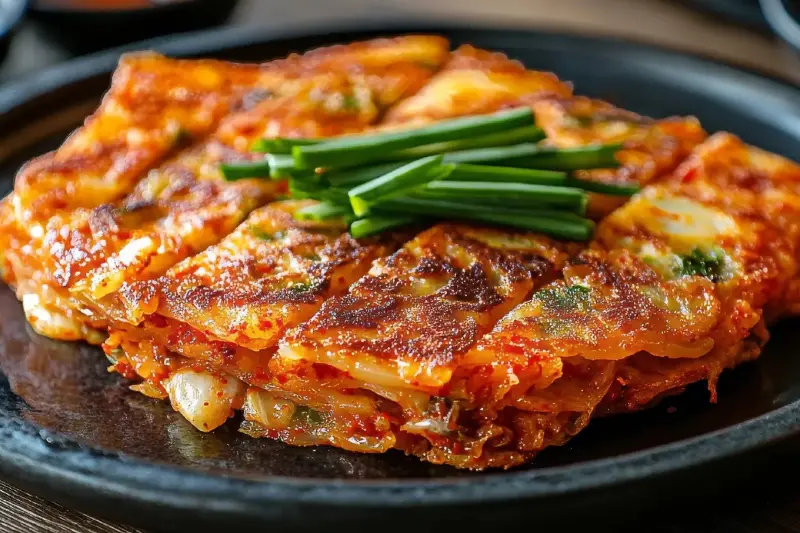
kimchi isn’t just a side; its briny, spicy vigor infuses stir-fries, soups, and even pancakes. toss some into a basic tofu scramble, and you’ll get a pop of flavor that wakes up your taste buds and rivals even the strongest cheeses or cured meats. the deep, tangy notes from foods like kimchi, doenjang (fermented soybean paste), and gochujang (fermented chili paste) provide a savory depth—known as umami—that can often seem lacking in plant-based dishes.
the art of balancing flavors
one reason korean cuisine adapts so well to plant-based meals is its philosophy of balance. in a traditional korean banchan (side dish) spread, the table brims with numerous vegetable-based plates, each with a unique taste, texture, and method of preparation. there’s “namul”—steamed or sautéed greens like spinach, bean sprouts, or fernbrake, seasoned with sesame oil, garlic, and soy sauce. these simple treatments make each vegetable shine, while the array of condiments—think tangy vinegar, sweet syrups, and spicy chili flakes—ensures your palate never gets bored.
consider bibimbap, a classic example of a well-rounded, plant-based-friendly dish. a bed of rice is topped with a colorful array of vegetables—zucchini, carrot, radish, shiitake mushrooms—alongside spicy gochujang sauce and a sprinkle of toasted sesame seeds. the flavor contrast is essential: cool, crisp raw veggies meet earthy sautéed greens, all tied together by the subtly smoky, robust heat of gochujang. for vegans, simply swap out the egg topping for extra tofu, or even avocado for a creamy twist.
texture is everything
korean cuisine also knows the value of texture, something that is often underestimated in plant-based cooking. mushrooms, for instance, are approached not just as a substitute but as an ingredient that brings its own attributes to the plate. king oyster mushrooms can be shredded into “vegan pulled pork” for spicy wraps; shiitake mushrooms add chewiness to hot pots and broths.
there’s also the power of crispy elements—a hallmark of street foods like kimchi jeon (savory pancakes), where the contrast between airy batter and crunchy vegetables takes center stage. or consider tteokbokki, rice cakes braised in spicy, sweet sauce. while traditionally made with fish cakes, swapping these out for chunks of tempeh or cauliflower makes this comfort food plant-forward without losing its soulful character.
the essential pantry
if you’re ready to introduce korean flavors into your own kitchen, there are a few key ingredients to have on hand that will instantly upgrade your plant-based cooking:
- gochujang: a spicy-sweet fermented chili paste, central to everything from bibimbap sauces to marinades. a little goes a long way, delivering depth and gentle heat.
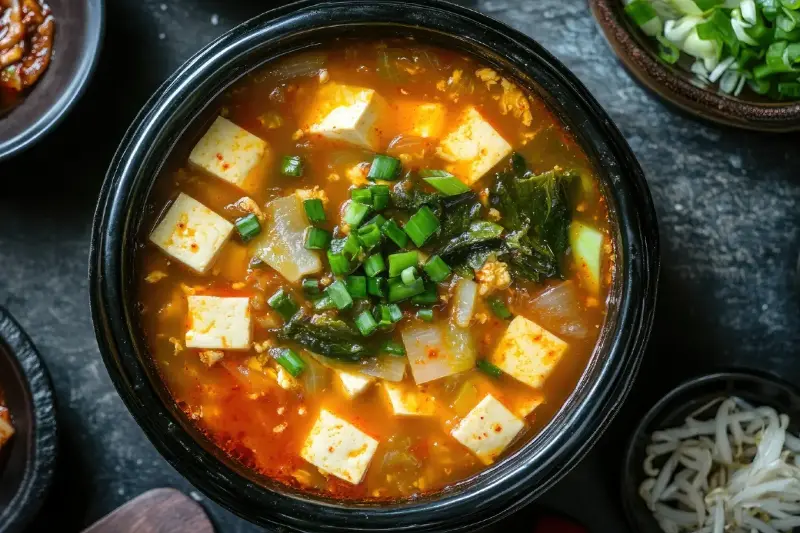
- doenjang: think of this as miso’s funkier cousin; it’s dense, salty, and rich in umami. it can give vegetable soups and stews a meaty dimension.
- soy sauce and toasted sesame oil: the everyday backbone of korean seasoning, lending contrast and aroma to greens, noodles, or tofu.
- dried seaweed (gim): for wrapping rice or snacking, dried seaweed brings a briny, oceanic note and a satisfying crunch.
don’t forget about the punch of raw garlic, green onions, and toasted sesame seeds for finishing. these simple garnishes perk up otherwise mellow dishes, ensuring each bite is vibrant.
breaking out of the bland
one of the persistent myths about plant-based eating is that it’s inevitably bland—a reputation korean flavors effortlessly defy. even a simple side of blanched spinach becomes memorable when seasoned with soy, sesame oil, garlic, and a hint of toasted sesame seed. vegetable stews filled with radish, zucchini, and mushrooms shimmer with the richness of doenjang. spicy cucumber salads (oi muchim) offer a refreshing, chili-tinged counterpoint to hearty grains.
snacks and banchan like candied sweet potatoes (goguma mattang) or chewy rice cakes in sesame syrup show that korean food celebrates the plant kingdom’s diversity, bridging the gap between savory, sweet, crunchy, and chewy.
for the adventurous cook, homemade kimchi or quick-pickled daikon brings zing to grain bowls and tacos alike. if you’re short on time, asian supermarkets carry vegan kimchi, pre-made sauces, and even frozen dumplings that pack a punch without animal ingredients.
why it works
the true genius of korean cuisine is its enthusiasm for vegetables and plant proteins—not as substitutes, but as stars in their own right. the layering of pickled, spicy, sour, and rich sauces means that even the simplest bowl of rice and veggies turns into something special. it’s no wonder that korean food has found favor with vegans and omnivores alike.
so next time you’re craving something outside the ordinary, reach for gochujang, toss your favorite vegetables into a sizzling pan, and experiment with fermentation or a sprinkle of toasted sesame. the result? a plant-based meal that will excite your palate and maybe even surprise you with just how satisfying and dynamic vegetables can be.