


Human metapneumovirus, commonly referred to as HMPV, may not garner as much international spotlight as its notorious cousins like the flu or RSV (Respiratory Syncytial Virus), but it's nonetheless a significant respiratory pathogen with a global impact. Since its discovery in 2001, HMPV has been identified as a common cause of lower respiratory infection in children, the elderly, and those with compromised immune systems. Despite its prevalence, knowledge about HMPV remains less widespread. This piece seeks to demystify HMPV and arm you with effective strategies to shield yourself and your loved ones from its grasp.
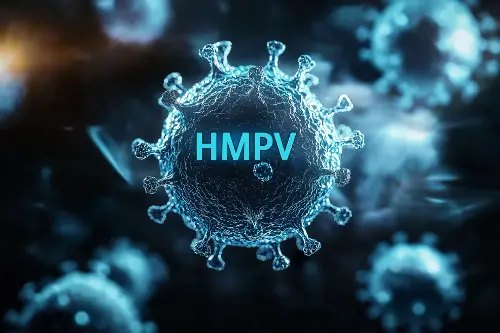
What is Human Metapneumovirus (HMPV)?
A member of the Paramyxoviridae family, HMPV is a virus that can cause illnesses ranging from mild cold-like symptoms to severe respiratory problems such as bronchitis and pneumonia. Often mistaken for influenza, it exhibits similar seasonal patterns, with peaks during the winter and early spring months. Much like other respiratory viruses, HMPV is transmitted through close contact with an infected individual, either by inhaling respiratory droplets or by touching contaminated surfaces and then your face.
Symptoms, Diagnosis, and Treatment
The symptoms of HMPV mirror those of other respiratory infections, including coughing, fever, nasal congestion, and difficulty breathing. Children may also exhibit ear pain, irritability, and reduced appetite. One of the challenges in combating HMPV is that its symptoms are hardly distinguishable from other viral respiratory illnesses, often requiring specific laboratory tests such as PCR (polymerase chain reaction) to confirm the diagnosis.
Currently, treatment is primarily supportive. It focuses on relieving symptoms rather than targeting the virus itself. Over-the-counter medications can help reduce fever and pain, while increased fluid intake and rest are universally recommended to support recovery. In more severe cases, hospitalization may be necessary, especially if assistance with breathing or hydration is required.
Vulnerable Populations and Complications
While HMPV can infect individuals of all ages, certain groups are more vulnerable to severe illness. Infants below the age of 1, especially those born prematurely or with congenital heart disease, are at a heightened risk. Likewise, the elderly and individuals with a weakened immune system or chronic lung diseases need to be particularly vigilant. Complications from HMPV can include severe bronchiolitis and pneumonia, which may necessitate intensive care.
Prevention Strategies
There is no vaccine currently available to prevent HMPV infection, so preventive measures are key to controlling its spread. Frequent and thorough handwashing with soap and water can significantly reduce the risk of infection. When it comes to respiratory illnesses, few strategies are as effective as keeping hands clean.
It's also vital to practice good respiratory etiquette. This includes covering your mouth and nose with a tissue or the crook of your elbow when you cough or sneeze and disposing of tissues promptly and appropriately. Unlike some viruses that can only live for a few hours on surfaces, HMPV can survive for up to several days, so regular cleaning and disinfecting of frequently touched surfaces like doorknobs, mobile devices, and children's toys are crucial in preventing transmission.
Social distancing during peak HMPV season may also be a sensible precaution, especially for those who are at a higher risk of severe disease. Avoiding close contact with people exhibiting respiratory symptoms can go a long way in keeping the virus at bay. Additionally, boosting the immune system through a balanced diet, regular exercise, and adequate sleep contributes to overall health and can help fend off infections.
The Future of HMPV Research and Innovation
Despite its relatively recent identification, research on HMPV is progressing. Scientists are working on developing vaccines, and antiviral drugs specific to HMPV are being investigated. Understanding the structural biology of the virus and the ways it interacts with the human immune system offers avenues for medical advancements. As we advance our knowledge about HMPV, more tools will become available to prevent and treat this pervasive pathogen.
As the world grows ever more interconnected, the importance of staying informed about viruses like HMPV cannot be overstated. With awareness, education, and diligent application of preventive measures, we can protect ourselves and our communities from this respiratory virus's impact. Remember that while HMPV may be less famous than some of its viral relatives, its significance for public health is indisputable. By staying vigilant and adopting a proactive approach to personal and public hygiene, we can all contribute to minimising the spread of HMPV and ensuring the health and well-being of our populations.